


Ford Brown

Create a Sensory Play Area for Babies and Toddlers

Create a Sensory Play Area for Babies and Toddlers

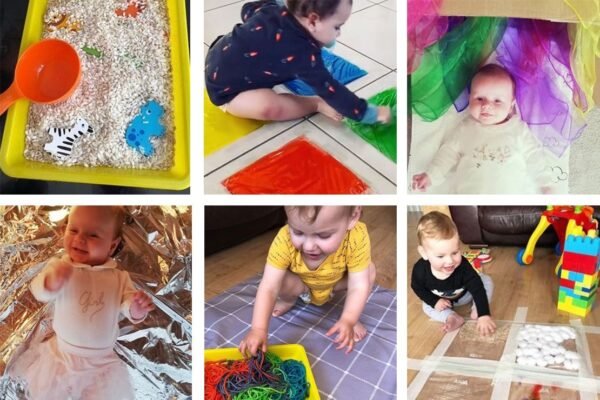
A sensory play area stimulates a child’s senses, including touch, sight, sound, taste, and smell. It encourages exploration, creativity, and developmental growth. Here’s a guide to creating a sensory play space that’s both safe and stimulating for babies and toddlers. Step 1: Choose a Safe and Accessible Location Safety and accessibility are key when designing…

Read More
Must-Have Items for an Engaging Play Space

Must-Have Items for an Engaging Play Space

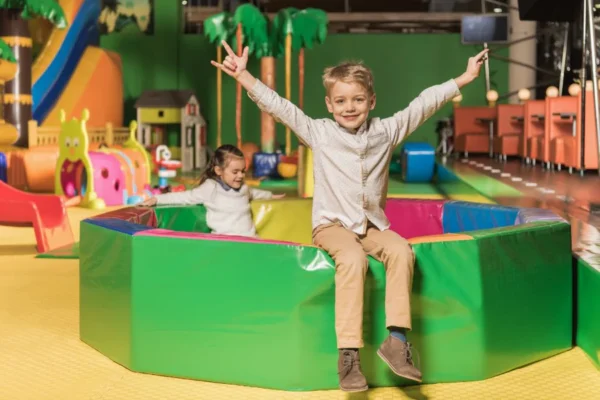
Creating a vibrant and engaging play space is key to fostering creativity, physical activity, and social interactions. The right mix of items can make a play area fun, safe, and educational. Here are the top 10 must-have items every play space needs. 1. Climbing Structures Climbing structures are perfect for building strength and improving coordination….

Read More
The Role of Play-Based Learning in Preschool

The Role of Play-Based Learning in Preschool

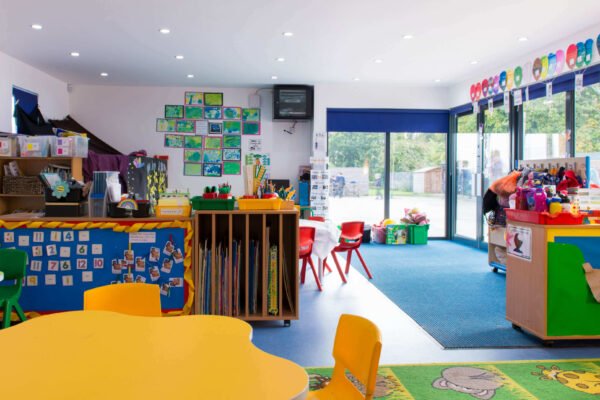
Play-based learning is an essential approach in preschool education, offering children an engaging and dynamic way to learn. Instead of traditional teaching methods that rely solely on instruction, play-based learning allows children to explore, experiment, and develop a variety of skills while having fun. Research consistently shows that play is not only enjoyable for young…

Read More
The Importance of Play Spaces in Child Development

The Importance of Play Spaces in Child Development

Play is essential for a child’s physical, emotional, and social development. Creating dedicated play spaces encourages exploration, learning, and creativity. These environments play a crucial role in shaping well-rounded, healthy children. 1. Encourages Physical Activity Play spaces promote movement, which is vital for building strong muscles and bones. Benefits of physical activity: Improves motor skills…

Read More
How Sensory Play Boosts Brain Development

How Sensory Play Boosts Brain Development

Sensory play is more than just fun and games for young children. It plays a vital role in brain development by stimulating key areas of the brain that contribute to cognitive, emotional, and physical growth. As children engage with their senses—sight, touch, sound, taste, and smell—they form connections that promote learning, creativity, and problem-solving. This…

Read More
Simple Sensory Play Activities for Toddlers

Simple Sensory Play Activities for Toddlers

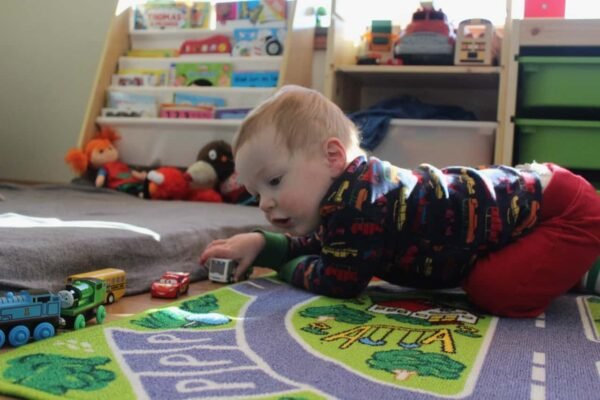
Sensory play is essential for toddlers as it supports their cognitive, physical, and emotional development. At this stage, toddlers are curious and eager to explore their world through their senses. Simple sensory play activities engage them and help build foundational skills such as problem-solving, motor coordination, and language development. Here are a few easy-to-setup sensory…

Read More
Creating a Sensory-Friendly Play Space for Children with Special Needs

Creating a Sensory-Friendly Play Space for Children with Special Needs

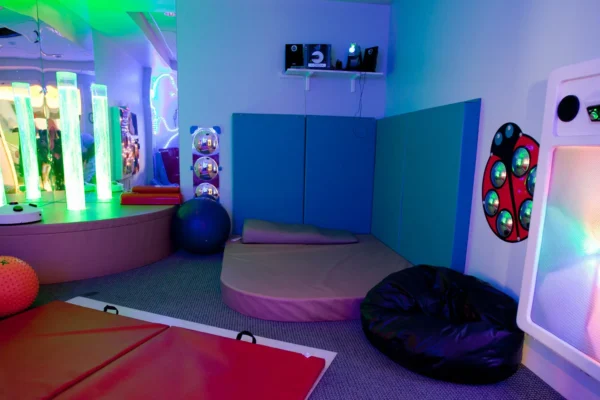
Designing a sensory-friendly play space for children with special needs requires careful consideration of their unique sensory processing needs. Whether your child is sensitive to noise, light, or textures, or requires specific sensory input to engage, creating an environment that caters to their individual needs can help promote development, play, and comfort. Here are practical…

Read More

Benefits of Sensory Play for Babies

Sensory play is crucial for a baby’s development, offering numerous cognitive, physical, and emotional benefits. Engaging babies in activities that stimulate their senses of sight, sound, touch, taste, and smell helps them explore and understand the world around them. From playing with textured toys to experiencing different sounds, sensory play provides a foundation for learning…

Read More