Evaluating Volatility in Modern Hold and Win Pokies
Welcome to our comprehensive jackpot Jill Australia Review, where we dissect modern gaming mechanics. If…





Welcome to our comprehensive jackpot Jill Australia Review, where we dissect modern gaming mechanics. If…
This Joka Casino Australia Review cashback rollover limits breakdown takes a practical look at how…

Stepping into the neon-drenched streets of Spin City requires a guide who knows the shortcuts,…

Stellar Spins Casino has established itself as a premier destination for players who dream of…

Welcome to our comprehensive jackpot Jill Australia Review, where we dissect modern gaming mechanics. If you are hunting for massive thrills, understanding true game volatility is absolutely essential. Finding a reliable, fast pokie payout casino can completely redefine how you manage your online entertainment sessions. Today, we will evaluate how Hold and Win features impact…
This Joka Casino Australia Review cashback rollover limits breakdown takes a practical look at how Joka Casino structures its bonus and cashback system. While the platform presents itself as a modern real-money casino, the actual value for players depends heavily on how bonus conditions are applied behind the scenes. Joka Casino positions itself as a…

Stepping into the neon-drenched streets of Spin City requires a guide who knows the shortcuts, and our King Johnnie Casino Review: Casino Games on Priority Support: The VIP Fast Lane provides exactly that. King Johnnie has masterfully crafted an urban empire where luxury meets the gritty aesthetic of a metropolitan downtown. From the charismatic lion…

Stellar Spins Casino has established itself as a premier destination for players who dream of astronomical wins. Since its launch, the platform has captivated the Australian gaming community by blending a sleek, space-themed aesthetic with a powerhouse library of high-reward titles. This review focuses specifically on the payout potential of the site, highlighting the legendary…

In the hyper-competitive world of digital gambling, many platforms prioritize flashy animations over actual usability. However, Wolf Winner Casino Australia takes a noticeably different path by focusing on the core player experience. Whether you are battling a spotty mobile connection in the Outback or managing a limited data plan in Auckland, this casino ensures you…

When you enter the digital wilderness of online gaming, the most successful hunters are those who plan their journey with precision. Wolf Winner Casino stands out as a premier destination not just for its massive game library but also for its robust commitment to player safety and financial control. Many enthusiasts focus solely on the…

The digital gambling landscape shifts almost daily, yet few newcomers generate as much chatter in 2026 as Betya. As bettors constantly hunt for higher margins and smoother interfaces, this platform promises to deliver a premium experience that respects the player’s bankroll. However, does it actually provide a fair shake for the professional punter, or is…

The Australian digital gambling landscape shifts rapidly, yet one name consistently commands the attention of seasoned punters and newcomers alike. The Pokies has carved out a massive reputation as the premier destination for high-stakes action and reliable payouts. As we move through 2026, the platform continues to set the gold standard for game variety, user…

If you search for the ultimate gaming experience down under, you will inevitably encounter The Pokies. As we move through April 2026, this platform continues to dominate the landscape. However, the most significant buzz this year surrounds the total overhaul of their financial hub. In this The Pokies Net Australia Real Money Casino Review 2026,…

Modern online gaming enthusiasts demand more than just flashy graphics; they demand efficiency. When you log into The Pokies Net Australia Official, you immediately notice the high-octane environment designed for serious players. However, as slot developers push the boundaries of visual storytelling, a new challenge emerges: the heavy intro cinematic. While these mini-movies look spectacular,…
Every child is unique and full of potential. They grow quickly—sometimes it feels like they’re changing overnight! And just as fast as they grow, they learn. At Better World Heroes, we believe that these early years are some of the most magical and important in a child's life. That’s why it’s so important for parents and caregivers to be there, guiding and supporting them every step of the way. From those first smiles to those first steps, every moment is filled with awe and discovery. In this post, we’ll explore five key parts of a child’s world: babies, play spaces, preschools, science, and toddlers. Each stage offers its joys, challenges, and incredible opportunities for learning and growth.
Let’s discover how we can help shape a better world—one little learner at a time!
Babies are little bundles of joy. From the first day they are born, they start learning about the world around them. Everything is new and exciting. They use their senses—eyes, ears, nose, skin, and mouth—to explore.
Right from birth, babies start discovering the world using their five senses. They track motion with their eyes and are especially drawn to faces, particularly those of their caregivers. They also begin to take in sounds—like voices and music—gradually picking up on the patterns of language. They feel the warmth and comfort of a gentle touch, which helps them feel secure. Smells, especially familiar ones like a parent’s scent, provide comfort and recognition. By tasting breast milk, formula, and eventually solid foods, babies begin to develop their preferences and explore different textures. All these sensory experiences lay the foundation for cognitive and emotional development.
At Better World Heroes, we believe small acts of kindness create big impacts. Just as babies engage with the world through their senses, we encourage everyone to connect meaningfully with their surroundings. Remember to nurture yourself too—take a moment to relax and enjoy some fun with baccarat online at Crazy Vegas Casino for a refreshing break.
Babies are always listening, even before they can talk. When you speak to them often, using loving and gentle tones, you’re helping them build important brain connections. Talk to your baby during everyday routines—changing diapers, feeding, or walking through the house. Narrate what you're doing, name objects around them, or simply talk about your day. These interactions create a strong emotional bond and support language skills, even if your baby can’t respond yet. Over time, these early conversations help them feel safe, loved, and understood.
Vision is still developing in the early months, so babies are especially drawn to high-contrast patterns and bright colors. You can help strengthen their eyesight by offering engaging visual stimuli. Hang colorful mobiles with bold shapes above their crib or play area. Use books with large pictures, and point to each image as you name it. Make eye contact often. These small activities not only enhance vision but also stimulate early thinking skills and pattern recognition.
Singing to your baby is more than just enjoyable—it helps foster language skills, strengthen emotional connections, and build a sense of rhythm. Babies love the soothing sound of your voice, even if you’re not a trained singer. Sing lullabies, nursery rhymes, or even make up your own songs. Reading aloud is equally powerful. Choose books with simple words, big pictures, and engaging stories. The rhythm of reading and the repetition of words help babies learn how language works and spark a love for books that can last a lifetime.
Singing and reading to your baby creates special bonding moments filled with joy and learning. To add some fun for yourself, consider visiting a new casino for exciting games and entertainment. It’s a great way to relax and recharge while your little one enjoys their own world of discovery.
Early growth greatly depends on physical development as a key foundation. Tummy time—placing your baby on their stomach while awake and supervised—helps build strength in the neck, shoulders, and back. Begin with just a few minutes each day, then slowly extend the time as your baby builds strength. Offer safe, soft toys for them to grasp and shake. Mirrors made for babies encourage them to lift their heads and look at themselves, which promotes self-awareness. These simple activities support motor skills and coordination, setting the stage for crawling and other movements.
Sleep is vital for your baby’s physical and mental development. Newborns sleep a lot, but as they grow, establishing a consistent bedtime routine becomes important. Create a calm, cozy environment with dim lighting and minimal noise. A predictable routine might include a warm bath, a lullaby, gentle rocking, or reading a short book. Avoid overstimulation close to bedtime. These comforting rituals signal to your baby that it’s time to wind down and help them feel secure enough to rest well. Quality sleep plays an important role in a child’s growth, emotional well-being, and brain development.
Play is not just fun for children. It’s how they learn. It’s how they grow. A good play space lets them move, touch, and discover.
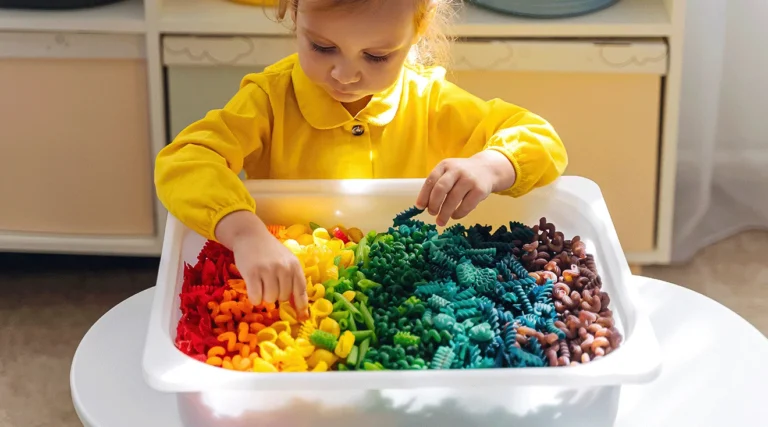
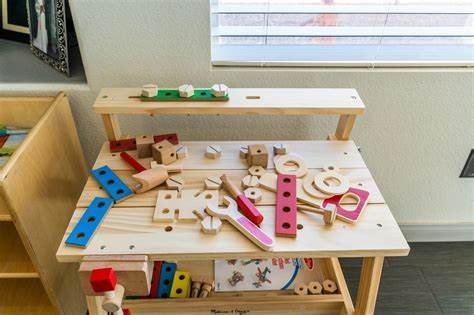
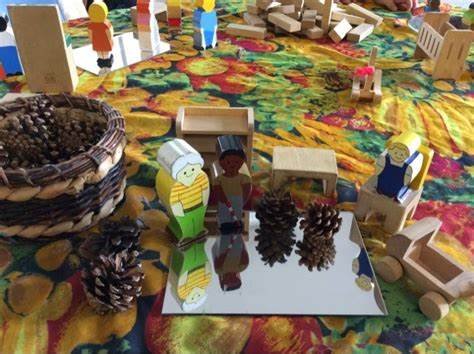
A great play space starts with safety and comfort. The area should be free from sharp edges, small objects that could be swallowed, and anything that could fall or tip over. Soft flooring—like rugs, foam mats, or carpets—cushions falls and makes crawling or walking more comfortable for little ones. Cleanliness is also key, especially for young children who often put toys in their mouths. The space should include toys that are age-appropriate, meaning they match the child’s developmental stage and are safe to use. Adding bright colors, a variety of shapes, and different textures keeps children visually and physically stimulated, which boosts sensory development and curiosity.
Kids don’t need an endless supply of new toys to stay engaged—just variety. Rotating toys means putting some away for a while and bringing them back out later. This keeps play fresh and exciting, as children often rediscover old toys with new interest. Group similar toys together and switch them out every few weeks. This helps prevent boredom, encourages creativity, and makes cleanup easier. Rotating toys also gives you a chance to observe which kinds of toys your child enjoys most and which ones support their growth at that moment.
You don’t need fancy equipment to create a fun indoor play area. Soft play mats, ball pits, and tunnels provide physical activity and sensory stimulation. Everyday household items can become tools for play—blankets and pillows make great fort-building materials, while large cardboard boxes can transform into make-believe homes, cars, or spaceships. Imaginative play like this nurtures creativity and problem-solving abilities. You might also create a cozy reading nook with bean bags, soft lighting, and a collection of board books to inspire a love for reading and offer a peaceful space for quiet moments.
Encouraging indoor play helps stimulate your baby’s development and creativity. While creating fun activities for your little one, take a moment to unwind by exploring casinoroo online casino. This engaging platform offers a variety of games for some enjoyable downtime alongside your busy day of play and learning.
Outdoor play supports a child’s physical health, motor skills, and emotional well-being. Being outside gives children space to run, jump, and explore—activities that build strength, balance, and coordination. Sunlight helps the body produce vitamin D, which is important for healthy bones and immune function. Outdoor elements like sand, grass, water, and rocks offer sensory-rich experiences. Take walks and explore parks or your own backyard. Talk about the trees, insects, and flowers you see. These nature moments encourage curiosity, observation skills, and a connection to the world around them.
Supervision is key in any play space. While it’s important to let children explore on their own, they need a watchful adult nearby to ensure they stay safe. Be present and alert, but also give them space to try things on their own. Offer help when necessary, but also step back when they’re capable of doing something themselves. Celebrate their efforts—clapping, smiling, or saying encouraging words like, “You tried so hard!” or “You did it all by yourself!” These small moments of praise help build a child’s confidence and reinforce a growth mindset.
Preschool is a big step in a child’s life. It’s often their first time in a group setting without parents.
Preschool plays an important role in helping children build their social abilities. For many, it’s their first experience spending time with peers in a structured setting. Here, they begin to learn how to make friends, express their feelings appropriately, and navigate group dynamics. They discover the importance of sharing toys, waiting their turn, and listening when someone else is talking. These skills may seem small, but they are building blocks for empathy, communication, and cooperation—traits they will use throughout their lives.
Preschool blends learning with play, which is exactly how young children learn best. Through playful activities, children are introduced to early academic concepts—like recognizing letters, counting objects, naming colors, and identifying shapes. Activities like painting, dancing, singing songs, and listening to stories keep learning fun and engaging. These activities support the development of early reading and math skills while also fostering creativity, fine motor skills, and a passion for learning in children.
Learning through fun is essential for your baby’s growth and development. While engaging your little one with playful activities, you can also take a moment to relax and enjoy exciting online gaming at ace pokies. It’s a great way to balance learning and leisure in your day.
A great preschool should feel warm, welcoming, and safe. The staff should be caring, trained, and attentive to each child’s needs. Classrooms should be clean, colorful, and full of materials that are age-appropriate and safe to use. When choosing a preschool, ask about the daily routine, the learning philosophy, and how teachers handle discipline and emotional support. Look for a balanced mix of structured activities and free play, which allows children to explore and learn at their own pace.
Starting preschool is a big transition for many children—and their parents. You can make it easier by talking about school in a positive way. Visit the classroom ahead of time so your child becomes familiar with the environment and the teacher. Sharing children’s books about beginning school can prepare kids for what lies ahead and help ease their worries. Allow your child to bring a small comfort object, like a favorite toy or blanket, to ease separation during the early days. Reassure them that you’ll be back soon and that they’re safe and loved.
Predictable routines help children feel secure and ready for the day. Create a consistent schedule around school days—wake up at the same time, get dressed, eat a nutritious breakfast, and leave for school calmly. Having a set morning routine reduces stress and sets a positive tone. Similarly, maintaining a consistent after-school routine can assist children in smoothly adjusting to life at home. This structure helps children understand time, manage expectations, and develop self-discipline.
Even small successes are worth celebrating. When your child comes home from preschool, show enthusiasm for their day. Ask questions like, “What was the best part of your day?” or “What did you make today?” Display their artwork on the fridge or create a dedicated space to showcase their creations. Recognize their hard work by giving detailed praise, like saying, ‘You really put a lot of effort into that drawing! Celebrating their progress builds confidence and reinforces a positive attitude toward learning.
Beyond academics and social skills, preschool is a place where children gain practical life skills. They learn how to put on their own coats, use the bathroom independently, wash their hands properly, and tidy up after playtime. These self-care and responsibility tasks might seem small, but they foster independence and self-esteem. Teachers often guide children gently through these routines, and you can support them at home by encouraging the same habits.
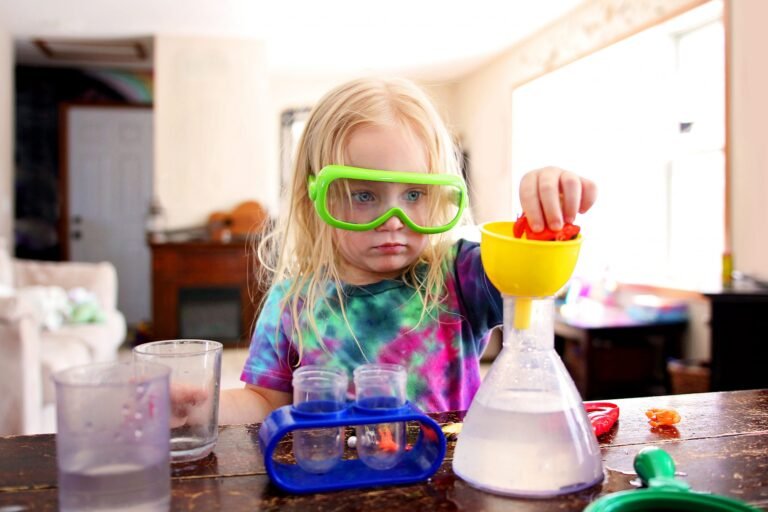
Children are natural scientists. They ask so many questions. They want to know why, how, and what.
You don’t need a lab to teach science. Try fun experiments. Mix vinegar and baking soda. Put food coloring in water. Watch how things change. Talk about what’s happening.
Go outside. Pick up leaves. Look at bugs. Talk about the seasons. Show them how plants grow. Dig in the soil. Watch clouds and guess their shapes.
Use magnets. Float things in water. Try shadow play with a flashlight. Count how many seeds are in a fruit. Sort things by size or color. All of these are science.
Keep your words simple. Don’t worry about big facts. Focus on excitement and curiosity. Say things like “Let’s find out together!”
Science builds problem-solving skills. It encourages them to persist, even if they make mistakes. They learn to ask questions, test ideas, and explore.
Toddlers are full of life. They want to touch everything. They want to go everywhere.
Toddlers are eager to do things for themselves it’s how they learn and build confidence. Encourage this by giving them small, manageable tasks. Let them pour their own juice from a small pitcher or try putting on their own socks, even if it takes a little longer. Assign simple jobs like placing napkins on the table or helping put toys away. These tasks help develop motor skills, patience, and a sense of responsibility. Offer praise for their efforts, not just the outcome, to keep their motivation strong.
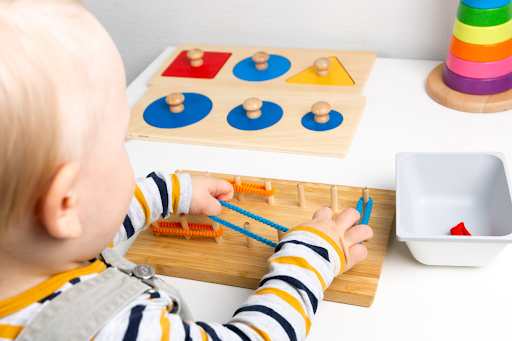
Play is how toddlers explore the world and learn new concepts. Simple games like hide and seek teach object permanence and social interaction. Building with blocks improves hand-eye coordination and problem-solving. Sorting activities using colors or shapes enhance early math and categorization skills. Sing action songs like “If You’re Happy and You Know It” to blend movement with language learning. Pretend play—like playing house or pretending to be animals—helps children understand everyday life, develop empathy, and practice communication.
Learning through play is vital for your baby’s development and joy. While encouraging playful learning, you can also explore fun entertainment at La Riviera Online Casino for a moment of exciting relaxation.
This is a key time for language explosion. Help your toddler build vocabulary by talking with them often. Narrate daily activities, describe things around you, and respond thoughtfully to their babbling or words. Encourage conversation by asking open-ended questions such as, ‘What did you notice outside?’ Repeat the new words your child uses and add more detail—for instance, if they say ‘dog,’ you could reply, ‘That’s right, a large brown dog!’ Keep your sentences brief and simple to help them understand better.
Toddlers have big emotions and limited ways to express them, which often leads to tantrums. Instead of punishing, help them recognize and name their feelings: “You’re mad because you wanted more juice.” Stay calm and present—your reaction teaches them how to handle emotions. At times, offering a gentle hug or kind words can make a child feel seen and supported. Guide them gently toward better ways to express frustration, such as using words, taking deep breaths, or asking for help.
Toddlers thrive on predictability. Routines help them feel secure and reduce anxiety about what comes next. Stick to consistent times for waking, meals, naps, and bedtime. Include calming activities before bed like reading a favorite book or singing a lullaby. This lets the child know it’s time to start calming down. Repeating daily patterns not only builds a sense of safety but also helps them develop time awareness and self-discipline over time.
Toddlerhood is an ideal time to start teaching healthy habits. Guide your child to wash their hands before eating and after using the bathroom. Help them learn how to brush their teeth properly. Use daily situations to introduce polite behaviors, encouraging words like ‘please,’ ‘thank you,’ and ‘sorry.’ The most effective way to instill good habits is by setting a positive example. When your toddler practices these habits, be sure to acknowledge their efforts with praise such as, ‘Well done washing your hands!’ or ‘That was thoughtful of you to share.
Teaching good habits to your baby sets the foundation for a bright future. While nurturing these early lessons, it’s important to find time for yourself too. Explore https://www.jokaroom.net/en/new-online-casinos/ for exciting online games that offer fun and relaxation, making self-care easy and enjoyable.
Time outdoors is essential for toddlers’ growth. Engaging in physical activities such as running, climbing, and jumping supports the development of strength, coordination, and self-confidence. Encourage them to explore nature—dig in the dirt, splash in puddles, collect leaves, or watch ants at work. Take them to parks where they can climb or slide safely. Supervise closely, but also allow small, age-appropriate risks—like balancing on a low beam or walking on uneven ground. These experiences help children develop resilience, problem-solving skills, and a love for the natural world.
Parenting is a journey filled with happiness and new experiences. Every phase, from a baby’s first smile to a toddler’s curious questions, offers something special. It’s the everyday moments—reading, playing, chatting, and singing—that truly count. Stay present, show kindness, and cherish the small joys along the way. Grow with your child, learn together, and be their biggest cheerleader. These early years go by fast, but the love you share will last forever. Embrace the mess, the laughter, and the wonder this is the magic of childhood, and you’re right at the heart of it.